

Description
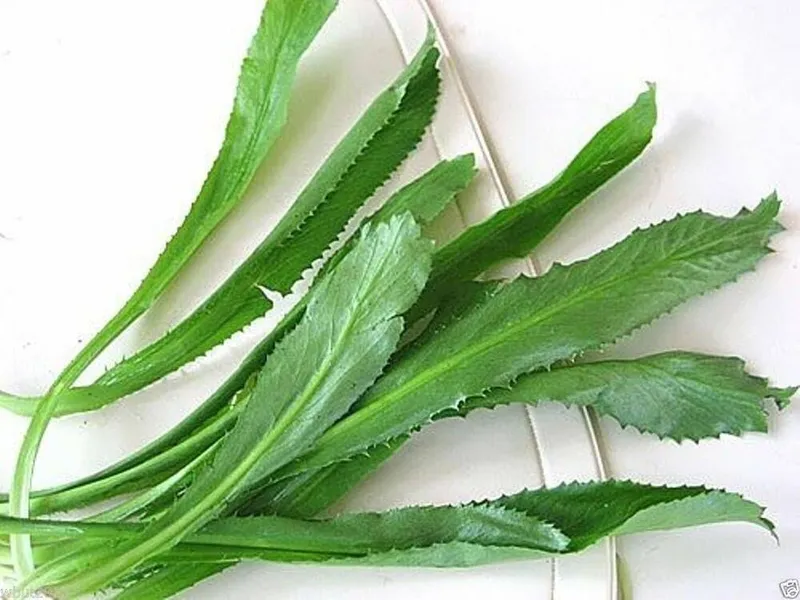
My Horticultural Journey with Culantro I made the decision to begin a gardening effort, and I began with three thousand cilantro seeds. This is a biennial herb that grows annually in the tropical regions of North America and the West Indies. It is also known as Mexican coriander, Sawtooth coriander, and NGO GAI. This is my cultivation process as it developed from the first planting stages to the stages of maturity. Capturing Culantro Origin and Habitat Native to America s tropical regions, it thrives in moist, shaded environments. Features Noted for its strong fragrance and tall, serrated edges. Planting Technique Selecting a Site In my garden, I select a shaded area since culantro thrives in partial sunshine. Sowing Seeds Distribute the seeds evenly around the prepared space. To enhance germination, lightly cover them with earth, making sure the depth is kept low. Growth and Maintenance Watering Schedule Make sure the soil is consistently wet but not saturated by giving the plants frequent waterings. To prevent root rot, do not overwater. Maintaining the Soil enhanced the soil s organic matter content to promote the growth and scent of the leaves. How to Collect Cabbage Gathering leaves Gather large, lush, and aromatic leaves. Picking leaves often encourages new growth. Examining Food I used the gathered leaves in a range of recipes to savor their unique flavor in the kitchen. attempted experimenting with them in tropical and Caribbean dishes. Thoughts Regarding Cabbage Growth Growing cilantro turned out to be a fruitful undertaking. It helped me understand how important it is to have the ideal balance of shade and moisture for growing herbs. I felt so good about gathering my own herbs to cook with. Culantro improved my food s flavor and my garden s visual attractiveness. It s a great herb for any gardener who wants to play around with cultivating techniques and flavors. For those who enjoy cooking or simply growing for the fun of it, cilantro is a rewarding choice for both novice and expert gardeners. Culantro is a tropical perennial plant with aromatic leaves that is used in Latin American, Asian, and Caribbean cuisines. Sawtooth coriander, Mexican coriander, and NGO GAI are some of the other names for this plant. More strong in flavor when cooked, culantro is a favorite ingredient in many dishes over its fresh cousin, cilantro. Those interested in learning how to cultivate culantro from seed may find the necessary instructions here. What is culantro, also known as Eryngium foetidum The herb cilantro thrives in warm, humid environments, making tropical and subtropical gardens perfect for cultivating it. Named from the shape its long, serrated leaves take on, Sawtooth describes this plant well. This plant s flexibility is another noteworthy trait it does well in both full sun and partial shade. A Master Class on Planting and Selecting Seeds With only 3000 culantro seeds, you may grow an abundance of this delicious plant. Sow the seeds directly in the ground or, if you live in a colder area, bring them indoors to germinate first Soil Preparation Culantro thrives on soil that is neutral in pH, fertile, and has good drainage. Because it boosts fertility and enhances drainage, compost is an excellent soil additive. First things first when planting seeds indoors fill seed starting trays with high quality seed starting mix. Lightly cover the seeds with earth so they may sprout in darkness. Keep the soil moist, but not soaked. It typically takes 1421 days for seeds to germinate when exposed to temperatures ranging from 2429 degrees Celsius (7585 degrees Fahrenheit). Keep the soil moist at all times throughout this period. Transplanting Seedlings After the seedlings have grown sturdy and the danger of frost has passed, you can transplant them outdoors In order to protect seedlings from shock, it is recommended to gradually expose them to outside environments over the period of one week. Space your seedlings 8 to 12 inches apart in rows 18 to 24 inches apart to give them room to grow and breathe. Developing and Nurturing Water culantro often for it to thrive. In order to maintain uniform moisture in the soil, water the plants thoroughly, especially during dry spells. Use an organic mulch around plants to keep the soil moist and discourage weeds. The cilantro leaves are ready for harvest 6075 days after sowing. Pruning properly involves beginning at the outermost, older leaves and moving inside to the innermost, younger ones